What You Should Know About Lab Created Diamonds
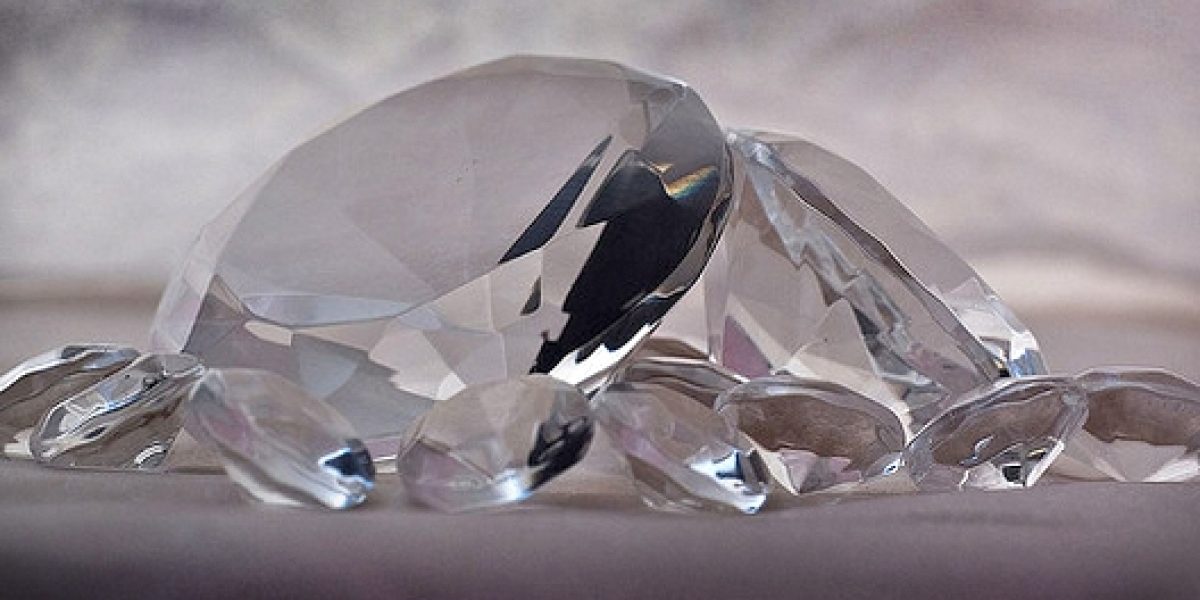
Lab created diamonds are real diamonds. They are not substitutes. They share the same chemical and physical structure as mined stones. The only difference is best lab diamonds MY where they are formed. Instead of forming under the earth over millions of years, they are grown in controlled labs using advanced technology. The result is a diamond that looks and performs the same. You will not see a visual difference. Even experts need special tools to tell them apart. This matters because you are not compromising on quality. You are choosing a different origin.
How Lab Diamonds Are Made
There are two main methods used to grow diamonds in a lab.
High Pressure High Temperature (HPHT)
This method replicates the natural conditions found deep underground. Carbon is exposed to intense heat and pressure until it forms a diamond.
Chemical Vapor Deposition (CVD)
This process uses a gas chamber. Carbon atoms attach layer by layer onto a diamond seed. Over time, a crystal grows. Both methods produce high-quality diamonds. The difference lies in growth conditions and sometimes minor traits like color consistency.
Why Buyers Choose Lab Created Diamonds
The appeal is practical. You get more control over your purchase.
- Lower cost compared to mined diamonds of the same size and quality
- Better value for larger stones
- Transparent production process
- Consistent grading standards
Example You can buy a 1 carat lab diamond with high clarity and color for the same price as a smaller mined diamond with lower specs.
Understanding Quality: The 4Cs
You should judge every diamond using the same framework. The 4Cs are your main tools.
Cut
Cut affects how the diamond reflects light. A well-cut diamond will appear brighter and more lively. Focus on Excellent or Ideal cut grades.
Color
Diamonds are graded from D to Z. D is colorless. For most buyers, a range between D and H offers a good balance of appearance and value.
Clarity
Clarity measures internal flaws. Many are lab created diamonds too small to see. VS1 or VS2 clarity often gives you a clean look without paying for perfection.
Carat
Carat is weight, not size. Bigger diamonds cost more but prices rise sharply with size. You should balance carat with cut and clarity rather than focusing on size alone.
How to Identify the Best Option for You
You should not chase the highest specs blindly. Focus on what matters in real use.
- Prioritize cut over everything else
- Choose clarity that looks clean to your eye
- Pick color based on setting type
- Set a firm budget before browsing
Example If you choose a yellow gold ring, a slightly lower color grade will still look bright. This saves money without visible loss.
Certification Matters More Than Claims
Always check if the diamond comes with a grading report. Reliable certification labs include:
- IGI (International Gemological Institute)
- GIA (Gemological Institute of America)
The report confirms the diamond’s characteristics. It protects you from inflated claims. If a seller does not provide certification, move on.
Pricing: What You Should Expect
Lab diamonds usually cost 30 to 60 percent less than mined diamonds of similar quality. Prices vary based on the 4Cs and market demand. You should compare multiple sellers before buying. Look at similar specifications. Example A 1 carat diamond with D color and VS1 clarity will cost more than a 1 carat with G color and VS2 clarity. The visual difference may be small.
Where Buyers Make Mistakes
Most mistakes come from focusing on the wrong details.
- Paying for clarity levels that are not visible
- Ignoring cut quality
- Choosing size over balance
- Trusting seller descriptions without certification
You should aim for balance. Not extremes.
Choosing a Setting That Works
The setting affects how your diamond looks.
Popular Choices
- Solitaire for a clean and focused look
- Halo for added sparkle and visual size
- Three-stone for symbolic meaning
Your setting can enhance or reduce visible flaws. For example, a halo can make a diamond appear larger.
Maintenance and Long-Term Care
Lab diamonds are durable. They rank 10 on the hardness scale. Still, you should care for them properly.
- Clean with mild soap and warm water
- Avoid harsh chemicals
- Store separately to prevent scratches
Routine cleaning keeps the diamond bright and clear.
Resale and Value Considerations
Lab diamonds do not hold resale value like mined diamonds. You should treat your purchase as a personal item, not an investment. The real value comes from what you get at the time of purchase. Better size. Better clarity. Better price.
How to Shop Smart in Your Market
If you are searching for the best lab diamonds MY, focus on trusted retailers that offer transparency. Look for:
- Clear pricing breakdowns
- Detailed certification reports
- Return policies
- Customer reviews
Do not rush. Compare at least three options before deciding.
Final Buying Approach
When buying lab created diamonds, your goal is not perfection. Your goal is value. You should: Start with a budget Select a preferred shape Balance the 4Cs Verify certification Compare sellers Example A buyer chooses a round cut diamond, G color, VS2 clarity, excellent cut. The result is a bright diamond that looks premium without unnecessary cost.
FAQ
Are lab diamonds real diamonds?
Yes. Lab created diamonds have the same structure and properties as mined diamonds.
Do lab diamonds last as long as natural diamonds?
Yes. They are equally durable and suitable for everyday wear.
Can you tell the difference without tools?
No. They look identical to the naked eye. Only specialized equipment can detect the origin.