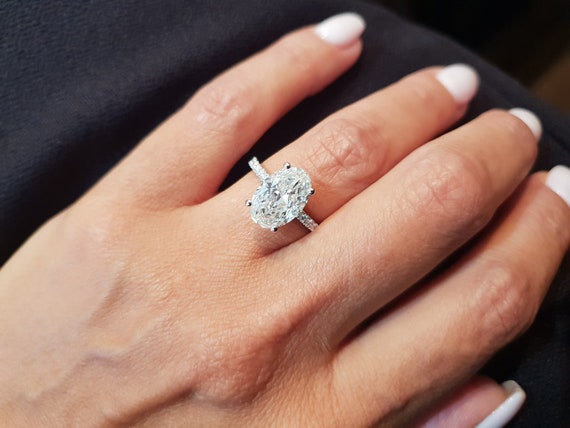
Shopping for ready to buy engagement rings offers a practical way to find a beautiful ring without waiting for custom production. Many jewelers keep carefully selected designs in stock, allowing buyers to compare styles, diamond shapes, and settings before making a decision.
Whether you prefer a traditional solitaire or a modern halo design, understanding diamond quality and ring construction helps you make a confident purchase. Buyers also have more choices than ever, including natural diamonds and lab created diamonds, which offer another option for many budgets.
Why Choose Ready to Buy Engagement Rings?
Ready to buy engagement rings are available for immediate purchase. Unlike custom rings, they do not require weeks of manufacturing. This makes them a practical option for proposals with limited timelines or buyers who prefer to see the finished ring before purchasing.
Most jewelry stores carry collections that include:
- Solitaire engagement rings
- Halo settings
- Three-stone rings
- Vintage-inspired designs
- Hidden halo settings
- Pavé bands
Because these rings are already crafted, buyers can inspect the diamond, setting quality, and overall appearance before making a final decision.
Understanding Diamond Quality Before Buying
A diamond’s beauty depends on more than its size. Jewelers evaluate diamonds using the Four Cs:
Cut
Cut determines how well a diamond reflects light. A well-cut diamond appears brighter and more lively than a poorly cut stone of the same weight.
Color
Diamond color ranges from colorless to light yellow or brown. Colorless grades usually command higher prices because they allow more light to pass through the stone.
Clarity
Clarity measures natural inclusions and surface blemishes. Many inclusions are too small to see without magnification.
Carat Weight
Carat measures weight rather than physical size. Two diamonds with the same carat weight can appear different depending on their cut proportions.
Why the Round Brilliant Cut Remains Popular
A round brilliant cut diamond engagement ring continues to be the most popular choice worldwide. Its symmetrical design maximizes light reflection, producing exceptional sparkle under different lighting conditions.
This cut complements nearly every engagement ring setting, including solitaire, cathedral, halo, and three-stone designs. Its timeless appearance also makes it less likely to go out of style.
Many buyers choose a round brilliant cut because it balances brilliance, durability, and versatility.
How Many Facets in a Round Brilliant Cut Diamond?
A common question buyers ask is how many facets in a round brilliant cut diamond.
The standard round brilliant cut contains 57 facets when there is no culet. If the diamond includes a culet facet, it has 58 facets.
These facets are carefully arranged to maximize brightness and fire.
The crown typically contains:
- 1 table facet
- 8 bezel facets
- 8 star facets
- 16 upper girdle facets
The pavilion contains:
- 16 lower girdle facets
- 8 pavilion main facets
- 1 optional culet facet
Each facet works together to direct light through the diamond, creating the sparkle associated with the round brilliant cut.
How Many Facets Does a Round Brilliant Cut Diamond Have and Why Does It Matter?
Many shoppers also ask, how many facets does a round brilliant cut diamond have?
The answer is usually 57 or 58 facets, depending on whether the culet is present.
Facet placement matters as much as facet count. Even a diamond with the correct number of facets can appear less brilliant if the angles are poorly proportioned. Professional cutting ensures light enters and exits efficiently, producing balanced brilliance and fire.
For this reason, experts often recommend prioritizing cut quality over higher carat weight.
Lab Created Diamonds as an Alternative
Lab created diamonds have become increasingly common in engagement rings. These diamonds are grown under controlled laboratory conditions that reproduce the natural diamond formation process.
They possess the same physical, chemical, and optical properties as mined diamonds. Standard gemological laboratories also grade them using the Four Cs.
Some buyers choose lab created diamonds because they often cost less than natural diamonds of similar size and quality. Others appreciate having additional flexibility when selecting larger center stones within a specific budget.
The choice between natural and laboratory-grown diamonds depends on personal preference, budget, and long-term priorities.
Choosing the Right Ring Setting
The setting affects both appearance and durability. Different settings create different visual effects.
Solitaire
A solitaire highlights the center diamond without additional stones. It remains one of the most classic engagement ring styles.
Halo
A halo surrounds the center stone with smaller diamonds, making the center appear larger while increasing sparkle.
Three-Stone
Three-stone rings symbolize the past, present, and future. They also provide additional brilliance through side stones.
Pavé
Pavé settings feature small diamonds along the band, adding continuous sparkle without overwhelming the center diamond.
Matching Metal to Your Style
Metal choice influences durability, maintenance, and appearance.
Platinum offers excellent durability and naturally white color. It develops a soft patina over time but rarely loses metal through wear.
White gold provides a similar appearance at a lower cost. It usually requires occasional rhodium plating to maintain its bright finish.
Yellow gold complements warmer diamond colors and traditional designs.
Rose gold offers a distinctive appearance through its copper alloy and pairs well with vintage-inspired settings.
What to Check Before Buying
Inspect the ring carefully before completing your purchase.
Review the diamond grading report from an independent gemological laboratory. Examine the setting for secure prongs and smooth finishing. Confirm the ring size if possible, since resizing some designs can be more difficult than others.
Also ask about warranty coverage, maintenance services, and return policies. These details vary between jewelers and may affect your long-term ownership experience.
Budget Planning Without Sacrificing Quality
A higher price does not always produce a more attractive ring. Buyers often achieve better value by balancing the Four Cs rather than maximizing a single characteristic.
For example, selecting an excellent cut with slightly lower color or clarity grades often produces a diamond that appears brighter than a larger stone with poor proportions.
Comparing natural diamonds and lab created diamonds can also expand your options within the same budget.
Final Thoughts
Buying ready to buy engagement rings allows you to compare finished designs, inspect craftsmanship, and purchase without extended production times. Understanding diamond cut, facet structure, grading standards, and setting styles helps you select a ring that suits both your preferences and your budget.
Whether you choose a classic round brilliant cut diamond engagement ring or explore lab created diamonds, informed decisions lead to greater confidence. Paying attention to cut quality, certification, and craftsmanship ensures that your engagement ring remains beautiful for years to come.