Australians Are Choosing to Buy Lab Grown Diamonds: A Modern Sparkle with a Conscience

A few years ago, I never thought I’d be the kind of person comparing diamond certification reports over coffee. But here we are. What started as a quick look into sustainable engagement ring trends turned into a surprisingly emotional deep dive into what makes a diamond truly special — and why an increasing number of Australians are deciding to buy lab grown diamonds instead of traditional mined stones.
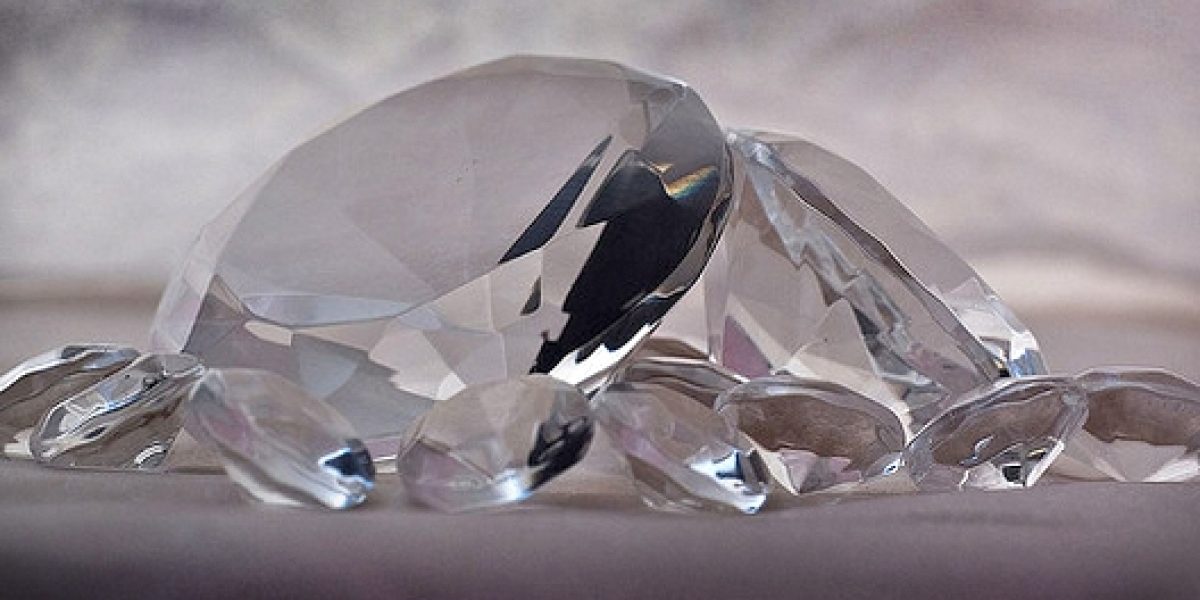
Now, before you picture some soulless, artificial gem churned out by machines, let’s clear something up. These stones aren’t “fake.” They’re real diamonds — chemically, physically, and visually identical to mined ones. The difference? They’re grown in highly controlled labs rather than dug out of the earth.
And honestly, once you understand the process and what it stands for, it’s hard not to be impressed.
The Science of Sparkle: What Makes Lab Grown Diamonds Real
Here’s what really blew my mind: lab grown diamonds start from a tiny diamond seed, placed in a chamber that replicates the intense heat and pressure of the Earth’s mantle. Over a few weeks, carbon atoms layer and crystallise, forming a full diamond.
You can’t spot the difference with the naked eye. Even gemologists need advanced tools to distinguish a mined diamond from a lab grown one. They’re graded the same way too — cut, colour, clarity, carat — and can be certified by the same gemological institutes (like GIA or IGI).
The only real distinction is their origin. And for a lot of people, that difference means everything.
The Ethical Choice: Why Australians Are Reconsidering Tradition
We’ve all heard the phrase “blood diamonds.” It’s uncomfortable, but it’s part of the conversation. Mining has long been associated with environmental destruction, questionable labour practices, and massive energy consumption.
When I spoke with a Sydney jeweller who recently switched half of her inventory to man made diamonds, she told me something that stuck:
“People don’t just want beautiful jewellery anymore — they want to feel good about where it comes from.”
It’s true. Australians are more eco-conscious than ever. From reusable coffee cups to ethical fashion, we’re making values-based decisions every day. So, when couples start planning their engagement or an anniversary gift, the idea of choosing a diamond that’s sustainable, traceable, and conflict-free feels right in line with that shift.
And the bonus? It doesn’t hurt your wallet nearly as much as a mined stone.
Let’s Talk About Price (and Pride)
The financial side of lab grown diamonds is pretty fascinating. Because the supply chain is shorter — no massive mining operations, fewer middlemen, less unpredictability — prices can be up to 40–60% lower for the same carat weight and quality as a natural diamond.
That means if you’ve always dreamed of a one-carat ring but balked at the price, suddenly it’s doable. You can get a larger, higher-quality stone without the guilt or financial strain.
I met one couple from Brisbane who had been saving for over a year to buy a mined diamond, but after doing their research, they chose a lab grown one instead.
“We realised we could either buy a smaller diamond with a murky origin story or a bigger one that aligned with our values,” they said. “It was a no-brainer.”
There’s a quiet pride that comes with that kind of decision — not showy, but deeply personal.
The Aesthetic Factor: Do They Look the Same?
Let’s be honest — aesthetics matter. A diamond is meant to dazzle, to make you stop mid-sentence when it catches the light just right.
And here’s the kicker: lab grown diamonds sparkle exactly the same way. If anything, because they’re grown in controlled environments, they can be cut and polished to perfection with fewer inclusions or impurities.
Some people even say they look brighter or “cleaner.” Whether that’s psychological or optical is up for debate, but from every side-by-side comparison I’ve seen, the difference is imperceptible.
If you’re curious, you can even buy lab grown diamonds online and design a custom ring. A few Australian jewellers now offer completely bespoke settings — everything from minimalist solitaires to vintage-style halos — all using ethically sourced gold and stones grown right here or in top-tier international labs.
The Emotional Shift: Rewriting What “Forever” Means
There’s a certain romance attached to diamonds — the whole “a diamond is forever” idea that’s been marketed since the 1940s. But the narrative is changing.
Today, “forever” doesn’t just mean durability. It’s about sustainability, transparency, and creating something that doesn’t cost the planet. For a lot of younger Australians, especially millennials and Gen Z, the emotional value of a ring now includes where it came from.
I remember chatting with a friend who recently got engaged. She said,
“It’s not about tradition for me. It’s about intention. Our ring represents the future we want — not just between us, but for the world we live in.”
That struck me as beautifully modern. Romantic, even.
The Tech Behind the Magic
You might not know this, but there are actually two main methods for creating lab grown diamonds: HPHT (High Pressure High Temperature) and CVD (Chemical Vapour Deposition).
HPHT mimics the Earth’s natural diamond-forming process, using immense heat and pressure to transform carbon into crystal. CVD, on the other hand, grows the diamond layer by layer in a chamber filled with carbon-rich gas.
Both produce real diamonds. HPHT stones tend to have slightly different growth patterns, while CVD diamonds often yield higher clarity. But these are microscopic distinctions — both sparkle just as brilliantly as anything you’d find in a high-end jeweller’s window.
It’s incredible how far the technology has come. What was once experimental science is now redefining the fine jewellery industry.
A Smart Investment — or Just Smart Shopping?
Now, this is where things get a bit nuanced. Traditional diamonds have long been marketed as “investments,” but in reality, the resale market for mined diamonds has always been limited. The same goes for lab grown ones.
So, if you’re buying purely for resale value, you might want to rethink your expectations. But if you’re buying for the joy, the craftsmanship, and the ethical peace of mind — then yes, it’s absolutely a smart investment in your values.
As one industry expert put it during a jewellery expo I attended,
“People used to buy diamonds for status. Now, they buy them for story.”
That shift says a lot about where our culture’s heading.
Where to Buy (and What to Watch For)
If you’re planning to buy lab grown diamonds, do your homework just as you would with mined ones. Look for certification, transparent sourcing, and reputable jewellers who can tell you exactly how and where their stones are grown.
I’ve found that Australian retailers are becoming impressively open about their supply chains. Many even offer full customisation online — from selecting the diamond shape and carat size to choosing the band metal and setting style.
And here’s something worth bookmarking: this excellent guide on man made diamonds breaks down what to look for when choosing a diamond engagement ring, whether it’s lab grown or mined. It’s written with genuine expertise and doesn’t shy away from the practical details.
The Future of Diamonds Is (Lab) Grown
Let’s face it — the jewellery world is changing. Just like electric cars and plant-based meat, lab grown diamonds started as a niche curiosity and are now moving into the mainstream.
Jewellers are embracing the shift not because it’s trendy, but because it makes sense. Lower environmental impact, ethical sourcing, beautiful results — it’s a rare case where innovation and integrity align perfectly.
And for the everyday buyer, it means more choice, more transparency, and more sparkle for your dollar.
A Final Thought
I’ll be honest — I went into this story thinking lab grown diamonds were a tech gimmick. But the more I learned, the more I realised it’s not just about the stones. It’s about what they represent: progress, responsibility, and the idea that luxury doesn’t have to come at a cost to others.
So whether you’re celebrating love, marking a milestone, or simply treating yourself (because why not?), choosing a lab grown diamond isn’t just a purchase — it’s a statement. A statement that says beauty and ethics can coexist — and that the future of “forever” shines brighter than ever.










:max_bytes(150000):strip_icc()/alekon-pictures-yj4kwA4h_Ms-unsplash-230509491f114970902d0e9aefb37850.jpg "Proposal Tips")