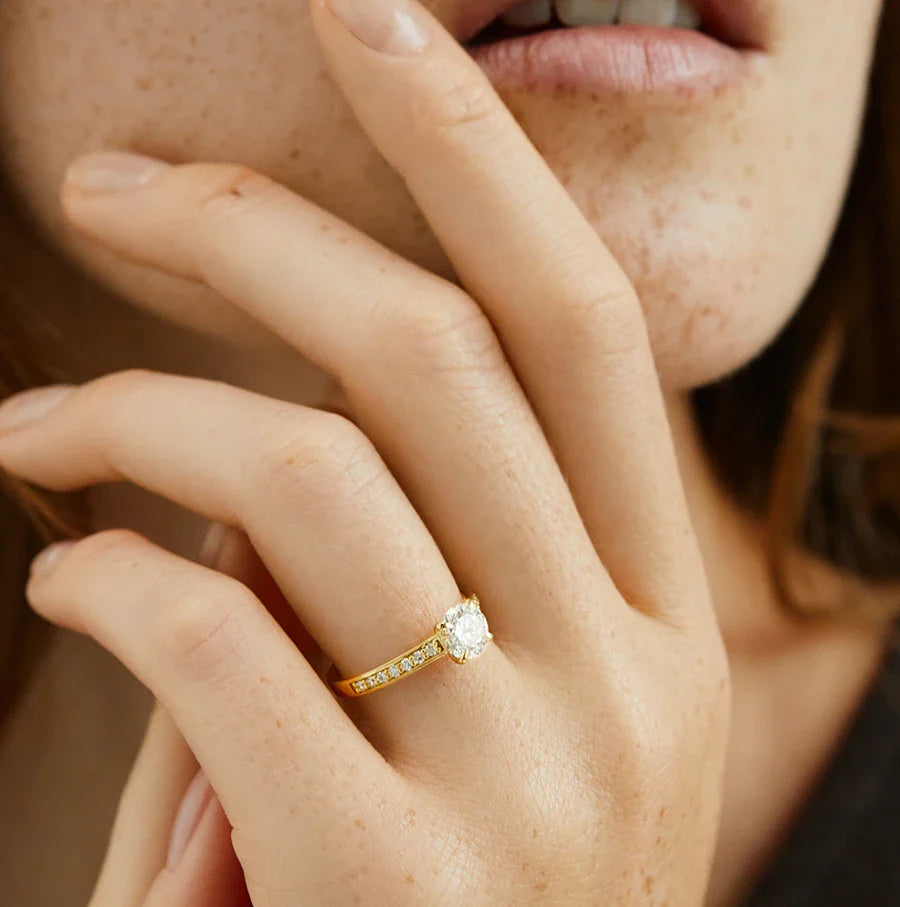
Lab made diamonds have become a popular choice for people who want genuine diamonds without relying on traditional mining. They have the same chemical structure, hardness, and brilliance as natural diamonds. The only difference is where they form. Natural diamonds develop deep inside the Earth over billions of years, while lab made diamonds grow inside advanced laboratories using controlled technology.
Many shoppers now choose lab grown stones for engagement rings, earrings, bracelets, and a pendiente diamante because they offer the same beauty with greater pricing flexibility. Understanding how these diamonds are created helps buyers make informed decisions.
What Are Lab Made Diamonds?
Lab made diamonds are real diamonds produced under conditions that copy the natural diamond-growing process. Scientists use carbon and extreme pressure or high temperatures to grow a crystal that has the same physical and optical properties as a mined diamond.
Professional gemological laboratories grade these diamonds using the same standards applied to natural stones. Once polished, even trained jewelers cannot identify the origin without specialized equipment.
The two main production methods include:
- High Pressure High Temperature (HPHT)
- Chemical Vapor Deposition (CVD)
Both methods produce authentic diamonds suitable for fine jewelry.
Why Lab Made Diamonds Are Real Diamonds
Many people believe laboratory diamonds are imitation stones. That is incorrect.
A diamond is defined by its atomic structure rather than its origin. Lab made diamonds contain carbon atoms arranged in the same crystal structure found in natural diamonds. They also score 10 on the Mohs hardness scale, making them the hardest known gemstone.
Unlike cubic zirconia or moissanite, laboratory diamonds share the same:
- Hardness
- Fire
- Brilliance
- Sparkle
- Refractive index
- Thermal conductivity
This makes them genuine diamonds instead of diamond alternatives.
How Lab Made Diamonds Are Created
Scientists begin with a tiny diamond seed.
In the HPHT process, the seed experiences extremely high pressure and temperature. Carbon surrounds the seed and gradually forms a larger crystal.
The CVD method places the seed inside a vacuum chamber filled with carbon-rich gas. Heat breaks apart the gas molecules, allowing carbon atoms to build layer by layer onto the seed.
After growth, experts cut, polish, and grade each diamond just like a mined stone.
Lab Made Diamonds vs Natural Diamonds
Appearance
Both diamonds appear identical to the naked eye. Their sparkle, brilliance, and clarity depend on the quality of the cut rather than where they formed.
Durability
Both types rate 10 on the Mohs hardness scale. They resist scratches extremely well and can last for generations with proper care.
Chemical Composition
Each contains crystallized carbon arranged in the same atomic pattern.
Certification
Independent laboratories such as GIA and IGI grade both natural and laboratory diamonds using identical grading standards.
The grading report clearly states whether the stone is laboratory grown or naturally mined.
Understanding the Four Cs
Every buyer should understand the Four Cs before purchasing a diamond.
Cut
Cut determines how well a diamond reflects light. Excellent cuts usually produce the strongest sparkle.
Color
Most white diamonds receive grades from D to Z.
D represents colorless diamonds, while lower grades display increasing warmth.
Clarity
Clarity measures internal inclusions and surface imperfections.
Many lab made diamonds achieve high clarity because manufacturers carefully control growing conditions.
Carat Weight
Carat measures a diamond’s weight rather than its physical size.
Two diamonds with equal carat weight may appear different depending on their cut proportions.
Popular Jewelry Styles
Lab made diamonds appear in nearly every jewelry category.
Common options include:
- Engagement rings
- Wedding bands
- Tennis bracelets
- Stud earrings
- Necklaces
- Pendants
- Halo rings
A pendiente diamante remains one of the most versatile jewelry choices. It suits both everyday wear and formal occasions while highlighting the brilliance of a well-cut diamond.
Benefits of Choosing Lab Made Diamonds
Many buyers appreciate several practical advantages.
Greater Value
Laboratory diamonds often cost less than comparable natural diamonds. Buyers can often choose a larger stone or higher quality within the same budget.
Consistent Quality
Controlled growing conditions allow manufacturers to produce diamonds with excellent clarity and color consistency.
Wide Selection
Modern production methods provide a broad range of shapes, sizes, and quality grades.
Popular shapes include:
- Round Brilliant
- Oval
- Cushion
- Emerald
- Princess
- Pear
- Radiant
- Marquise
This variety helps buyers match different jewelry styles and personal preferences.
How Lab Made Diamonds Are Certified
Independent grading organizations evaluate laboratory diamonds using the same scientific methods used for natural diamonds.
A grading report usually includes:
- Carat weight
- Color grade
- Clarity grade
- Cut grade
- Measurements
- Polish
- Symmetry
- Fluorescence
Many diamonds also feature a microscopic laser inscription that matches the certificate number.
Always review the grading report before making a purchase.
Caring for Lab Made Diamonds
Regular care helps maintain brilliance for many years.
Clean jewelry using:
- Warm water
- Mild dish soap
- A soft toothbrush
- A lint-free cloth
Avoid harsh chemicals during cleaning.
Store each jewelry piece separately to prevent scratches against other gemstones or metal surfaces.
Professional inspections every year help confirm that settings remain secure.
Common Misunderstandings
Several myths continue to create confusion.
One misconception suggests laboratory diamonds lose their sparkle over time. They do not. Their brilliance remains the same because their crystal structure never changes.
Another myth claims they are synthetic gemstones rather than real diamonds. Scientific testing proves they possess the same physical and chemical characteristics as mined diamonds.
Some buyers also assume laboratory diamonds cannot receive certification. Reputable grading laboratories certify them using established international grading standards.
Who Should Consider Lab Made Diamonds?
Lab made diamonds suit many different buyers.
They appeal to couples shopping for engagement rings, professionals looking for elegant everyday jewelry, and collectors seeking certified diamonds in various shapes and sizes.
They also provide flexibility for shoppers who prefer maximizing quality within a fixed budget while purchasing authentic diamond jewelry.
Final Thoughts
Lab made diamonds combine genuine diamond beauty with modern manufacturing technology. They match natural diamonds in hardness, brilliance, and chemical composition while offering broad design choices and reliable certification.
Whether you are selecting an engagement ring, elegant earrings, or a timeless pendiente diamante, understanding diamond grading, production methods, and quality standards helps you choose a stone that fits both your style and your priorities.